

Bonding Activities That Kids Actually Enjoy
Twenty ideas for spending quality time together — from rainy day activities to weekend adventures that don't cost much
Why These Moments Matter
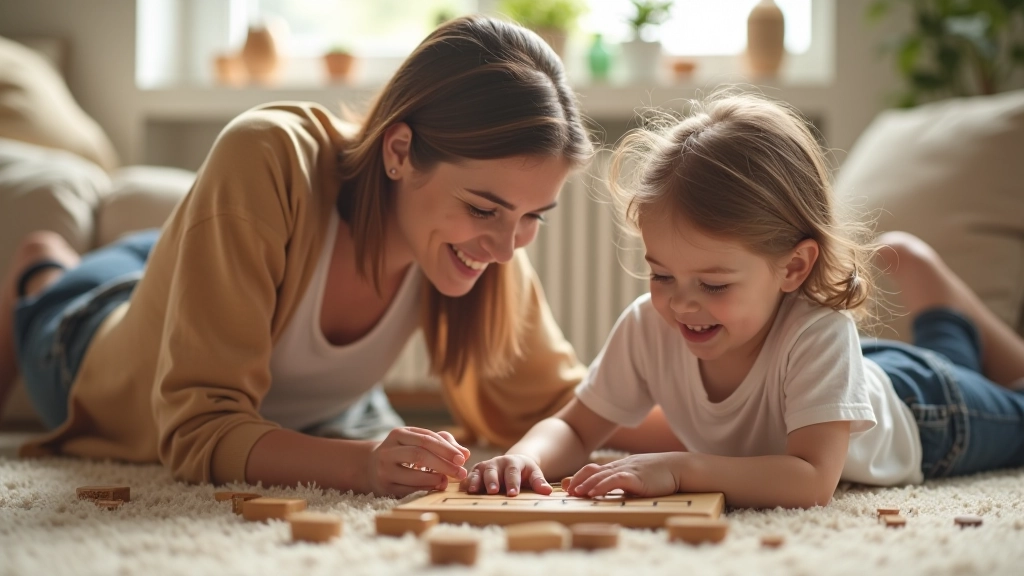
Quality time doesn't mean expensive trips or elaborate plans. It's about being present and actually enjoying what you're doing together. Kids remember the simple stuff — the conversations that happened while you were cooking, the jokes during a car ride, the time you actually put your phone down and listened.
Here's what we've found works: activities that are simple enough to actually happen regularly, flexible enough to fit different ages, and genuine enough that everyone (including you) has fun. No forcing smiles for photos. No activities that feel like homework. Just real connection.

20 Activities Worth Trying
Mix and match these based on your kids' ages and what fits your schedule
01
Cook Something Together
Start with simple recipes — cookies, homemade pizza, fruit smoothies. Younger kids can mix ingredients while older ones handle measuring and timing. The mess is worth it. Most families find 30-45 minutes works best before everyone gets bored.
02
Movie Marathon Night
Pick a movie everyone agrees on, make popcorn, and actually turn off notifications. Create a blanket fort in the living room if you want to make it feel special. The conversation before and after matters more than the movie itself.
03
Board Games or Card Games
Not just for rainy days — set a weekly game night. Choose games where everyone has a real chance to win (no endless games that kill the vibe). You'll hear more laughter and natural conversation than you'd expect.
04
Go for a Walk or Hike
Doesn't have to be strenuous. A 20-minute walk around your neighborhood or a local park works. Kids open up when you're walking side-by-side instead of sitting across from each other. Bring a camera or collecting bag for found objects.
05
Build Something with Blocks or Legos
No instruction needed. Work on a shared creation — a city, a castle, whatever. You'll be surprised how collaborative kids become when there's no "right way" to do it.
06
Have a Picnic (Inside or Out)
Spread out a blanket, pack simple snacks, and eat together. The change of scenery — even just moving from the dinner table to the living room floor — makes ordinary food feel like an adventure.
07
Start a Creative Project
Drawing, painting, collage, crafts — whatever you've got materials for. Don't focus on the finished product. The process of creating together is what builds connection. Let kids make weird choices. That's the fun part.
08
Watch the Sunset or Sunrise
Sit outside for 15-20 minutes and just watch. Bring hot chocolate or juice boxes. These quiet moments often spark the deepest conversations kids will have with you.
09
Plant a Garden or Indoor Garden
Even if it's just herbs in a windowsill. Kids get excited watching things grow over weeks. They'll water it, check on it, and feel proud of something they created together with you.
10
Build a Fort or Hideaway
Blankets, pillows, couch cushions — whatever you've got. Let them design it. Once it's built, hang out inside and tell stories, read, or just talk. Small spaces feel cozy to kids.
11
Try a New Recipe Together
Pick something neither of you has made before. It's okay if it doesn't turn out perfect. The trying, the teamwork, and the laugh when something goes wrong — that's the memory.
12
Go to a Local Park or Playground
Even if your kids are "too old" for playgrounds. Play tag, challenge them to races, swing on swings, sit on a bench and people-watch. Being silly together builds connection.
13
Listen to Music and Dance
Put on a playlist everyone likes and just dance. No choreography needed. The more awkward and free you are, the more kids will loosen up and actually have fun.
14
Tell Stories or Share Memories
Sit together and tell stories about when they were little, funny family moments, or stories from your own childhood. Kids love hearing these. It helps them understand you're a real person with a history.
15
Volunteer Together
Find something age-appropriate — helping at an animal shelter, cleaning a park, delivering meals to neighbors. Working toward something bigger together builds real connection and teaches values at the same time.
16
Have a Themed Dinner Night
Pick a country or culture and cook food from there, decorate the table, and everyone comes dressed in character. It's silly, it's fun, and it creates a memory that'll stick around.
17
Do a Scavenger Hunt
Make it indoors or outdoors, easy or challenging depending on age. Hide items, create clues, let them solve puzzles. It keeps energy up and everyone stays engaged for 30-60 minutes.
18
Teach Each Other Something
You teach them something you know, they teach you something they're interested in. This flips the dynamic and shows you're genuinely interested in what matters to them.
19
Have a Photo Shoot
Take photos together — silly ones, serious ones, whatever. Let kids be in charge of taking pictures too. You're not creating Instagram content. You're making memories and laughing at yourselves.
20
Have a Conversation Without Distractions
No phones, no TV, no background noise. Just sit together and ask real questions. What's worrying them? What made them happy this week? What do they think about? You'll learn things you didn't know.
How to Actually Make This Happen
You don't need elaborate plans. Here's what works: pick a regular time (Wednesday nights, Saturday mornings), keep it realistic for your schedule, and don't stress if it doesn't happen perfectly. Kids don't need perfect. They need consistent presence.
Start small. One activity a week is better than grand plans that never happen. Build it into your routine so it becomes automatic, not something you have to think about. And be fully there — that means phones away, no work emails, no mental to-do lists running in the background.
Ages matter less than you'd think. Mix activities. Some will be hits, others won't land. That's normal. The point isn't to find the "perfect" activity. It's to show up together regularly and let connection happen naturally.


The Real Obstacles (And How to Handle Them)
Phones interrupt everything. Establish a real rule: devices in another room during bonding time. Not "face down on the table." In another room. You'll be shocked how much better conversation flows without that pull.
Kids have different interests. That's actually fine. The goal isn't everyone having fun at the same activity. It's everyone feeling like they matter. So sometimes you do what they want. Sometimes they do what you want. Compromise matters.
Schedules are genuinely chaotic. Pick one thing that happens no matter what — even if it's just 20 minutes on a Sunday morning. Consistency beats perfection. Your kids will start expecting it, looking forward to it. That's when it becomes real.
It's Not About the Activity
The truth is, kids don't remember the specific activity most of the time. They remember that you were there. That you laughed. That you put your phone down. That you chose them. The best bonding happens in the spaces between — the conversations while you're cooking, the jokes during a car ride, the comfortable silence while building something together.
These twenty activities are just frameworks. The real connection comes from showing up consistently and being genuinely present. Start with one. Try it this week. See what happens when you stop planning the "perfect moment" and just create time for something real to develop.
Related Articles


Important Disclaimer
The activities and suggestions in this article are provided for educational and informational purposes only. Every family is unique, and what works for one may not work for another. These ideas are meant to inspire and support your family bonding efforts, not to serve as professional advice. If you're facing significant family challenges or concerns about your child's emotional well-being, we recommend consulting with a qualified family counselor or mental health professional who can provide personalized guidance based on your specific situation.